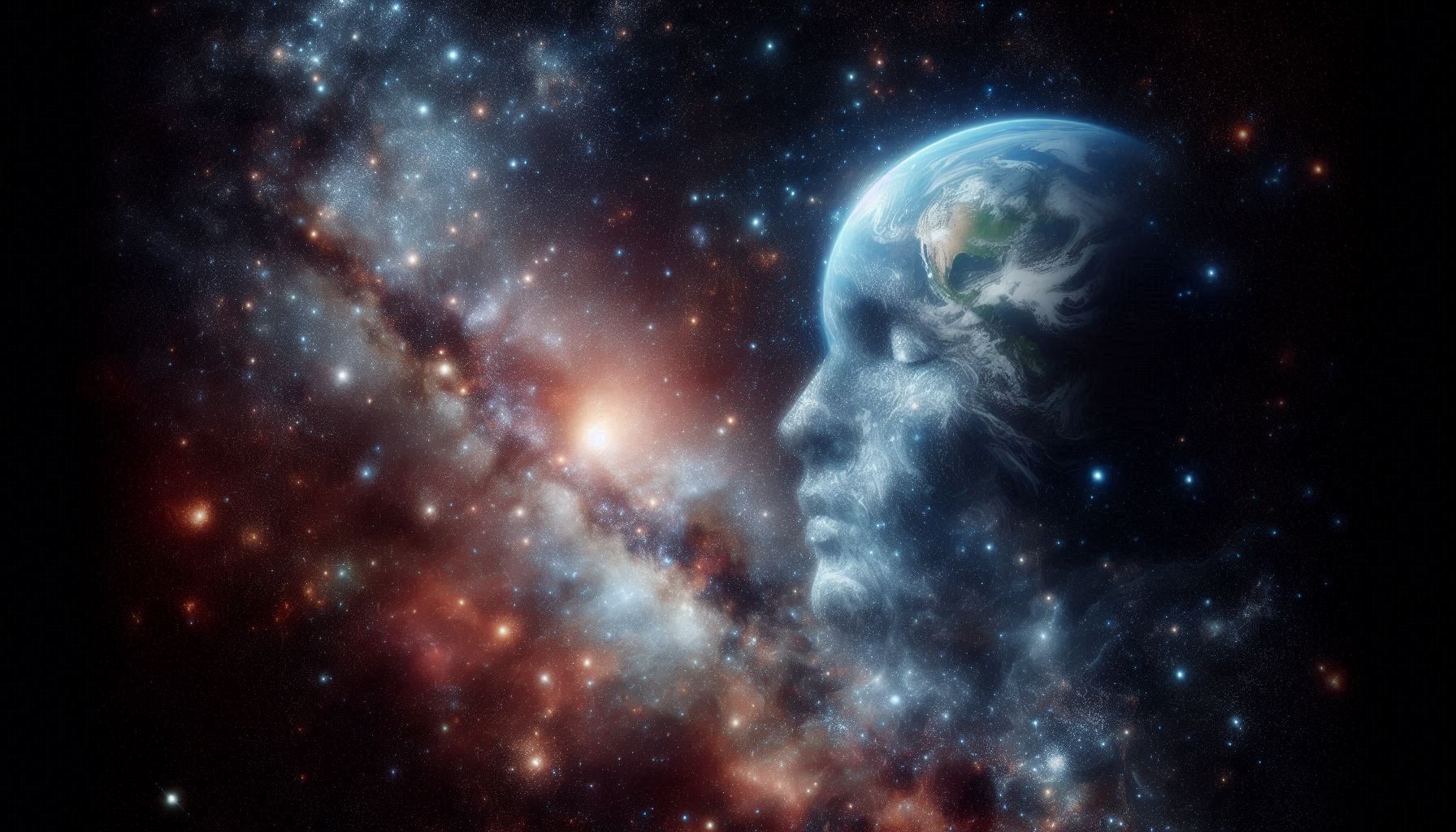
Made in God's Image
To say that human beings are made in the image of God is to place a profound claim at the center of our identity: each person bears the imprint of the divine. This idea, rooted in the opening chapters of Scripture, shapes how we think about dignity, purpose, responsibility, and community. It is not a small footnote but a revolutionary assertion that every human life reflects something of God's character and presence.
First, the image of God establishes worth. If every person carries God's likeness, then worth does not depend on achievement, social status, or usefulness. It means that from the newborn to the elderly, the celebrated to the marginalized, each life is sacred, deeply sacred. This counters cultural tendencies to value people only for what they produce or how they conform to particular ideals. The imago Dei insists that worth is given, not earned.
Second, being made in God's image gives humans a moral orientation. The biblical authors often connect the image with moral responsibility: we are stewards of creation, caretakers of one another, and agents of justice. To bear God's image is to be called into relationship with the Creator and other people in ways that reflect God's justice, mercy, and faithfulness. Our choices matter, not only practically but ethically, because they echo the character we were made to display.
Third, the image carries relational meaning. God is understood in Scripture as a relational being—Father, Son, Spirit—and humans mirror that relationality in our capacity for community, love, and interpersonal connection. We are designed for relationship: to speak, to listen, to forgive, and to build. The image of God underscores the truth that isolation is not part of God's design; community and covenant are. Our social bonds, then, are not accidental but central to what it means to be human.
Fourth, creativity and reason flow from the imago Dei. Humans exercise imagination, invent tools, make art, and pursue knowledge. These capacities reflect God's creative nature and rational order. When we create that which beautifies, when we seek truth through science and philosophy, or when we resolve conflict with wisdom, we enact the likeness we bear. Creativity and reason are not mere byproducts of biology but signs pointing back to a Creator who shapes and sustains the world.
Fifth, the image implies vocation. To be made in God's image is to be entrusted with work and responsibility: to cultivate, to care for creation, and to participate in God's ongoing activity in the world. Work has dignity beyond income or status. Everyday tasks—parenting, teaching, baking bread, repairing a roof—become arenas where the image of God is lived out. Vocation, then, is wider than career; it encompasses the faithful stewardship of whatever tasks God gives.
Sixth, the image is both personal and communal. Individuals bear God's likeness personally, yet this bearing is fulfilled within communities—families, churches, and societies—where persons learn to embody God's justice and love. The church, for instance, is called to be a visible sign of God's presence, a community where the image is formed, healed, and displayed. Social structures that honor human dignity help cultivate the image; systems that oppress or devalue persons obscure it.
Seventh, the image points toward redemption. Christian hope holds that the imago Dei was impaired by brokenness—by sin and suffering—but not erased. The narrative of redemption promises restoration: through God's reconciling work, people are being restored to the fullness of the image. This shapes a compassionate ministry: we resist dehumanization, work for healing, and seek restoration in individuals and communities, confident that God's image can be renewed.
Eighth, the image invites ethical consistency. If human beings reflect God, then moral theology must treat persons with consistent dignity. This has implications for how we approach public policy, healthcare, economic life, and criminal justice. Policies that marginalize or commodify human life are at odds with a theology that sees every person as bearing God's likeness. Thus theology and ethics meet in practical concerns: how to protect, empower, and respect human life in concrete ways.
Ninth, the image nurtures hope and responsibility together. We hope because the image connects us to God's purposes; we act because bearing that image requires faithful living. Hope without responsibility can become escapism; responsibility without hope can become mere performance. The imago Dei holds both tension and balance: we live in hope of restoration and act now as agents of care and justice.
The image reshapes daily life. It reorients small choices—how we speak to strangers, how we treat coworkers, how we care for the environment—toward honoring God's imprint in others. It calls us to practices of silence, prayer, and listening that cultivate awareness of God dwelling in and among us. To be made in God's image is to be invited into a story larger than ourselves: a story of dignity, reconciliation, creativity, and love that will one day be fully realized.
In sum, the doctrine that we are made in God's image is a luminous truth with practical consequences. It grounds human dignity, shapes moral life, fosters relationship, fuels creativity, dignifies work, anchors community, points to redemption, demands ethical consistency, and sustains a hopeful responsibility. To live under that claim is to see every person as a bearer of God's presence—worthy, loved, and called into a life of faithful participation with the Creator.